
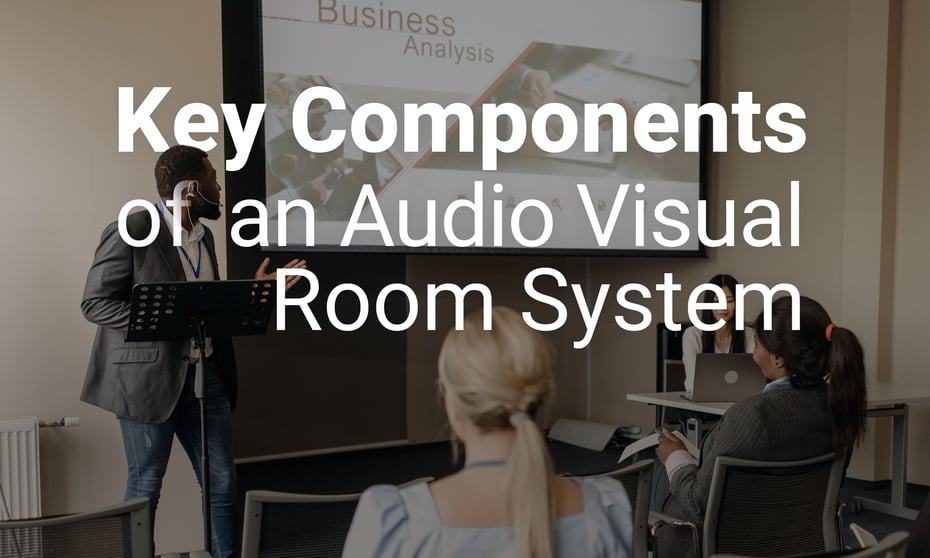
Importance of Each Component
An audio-visual (AV) room system is an integral part of modern communication and collaboration, providing a seamless experience for presentations, meetings, and entertainment.
To create a high-quality AV room, it is essential to understand the key components that comprise the system. In this article on what an AV room is, we will explore the audio components, video components, and control and automation systems that are vital for a successful AV room installation.
Audio Components
Speakers
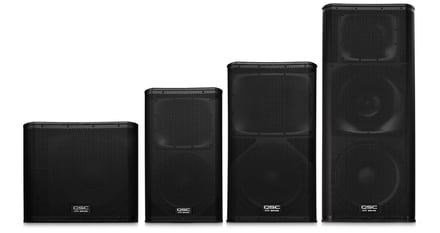
The audio experience in an AV room is highly dependent on the quality of the speakers. High-quality speakers can deliver clear and powerful sound, enabling participants to hear every detail with clarity in the audio visual room. Meaning that when selecting speakers, you should consider factors such as room size, layout, and intended use. Additionally, consider the speaker type (e.g., in-wall, ceiling, or freestanding) and configuration (e.g., stereo or surround sound) for optimal audio performance.
Microphones
Microphones are a big part of what an AV room is. This is because they play a crucial role in effectively capturing the sound of the presenter or participants, ensuring that their voices are heard clearly by others.
Various types of microphones are available for different purposes, such as handheld, lapel, tabletop, or ceiling-mounted microphones. Choosing the right microphone type, positioning, and sensitivity is crucial for minimizing background noise and capturing clear audio.
Audio Mixers and Amplifiers
Audio mixers and amplifiers serve as the backbone of an AV room's audio system. Therefore, we can’t leave them out in our discussion on what an AV room is. Mixers combine multiple audio signals into a single output, while amplifiers strengthen the audio signal before it reaches the speakers. These components are essential for controlling audio levels, minimizing feedback, and delivering a well-balanced sound.
When selecting an audio mixer and amplifier, consider factors like the number of inputs and outputs, processing capabilities, and compatibility with other AV components.
Video Components
Displays
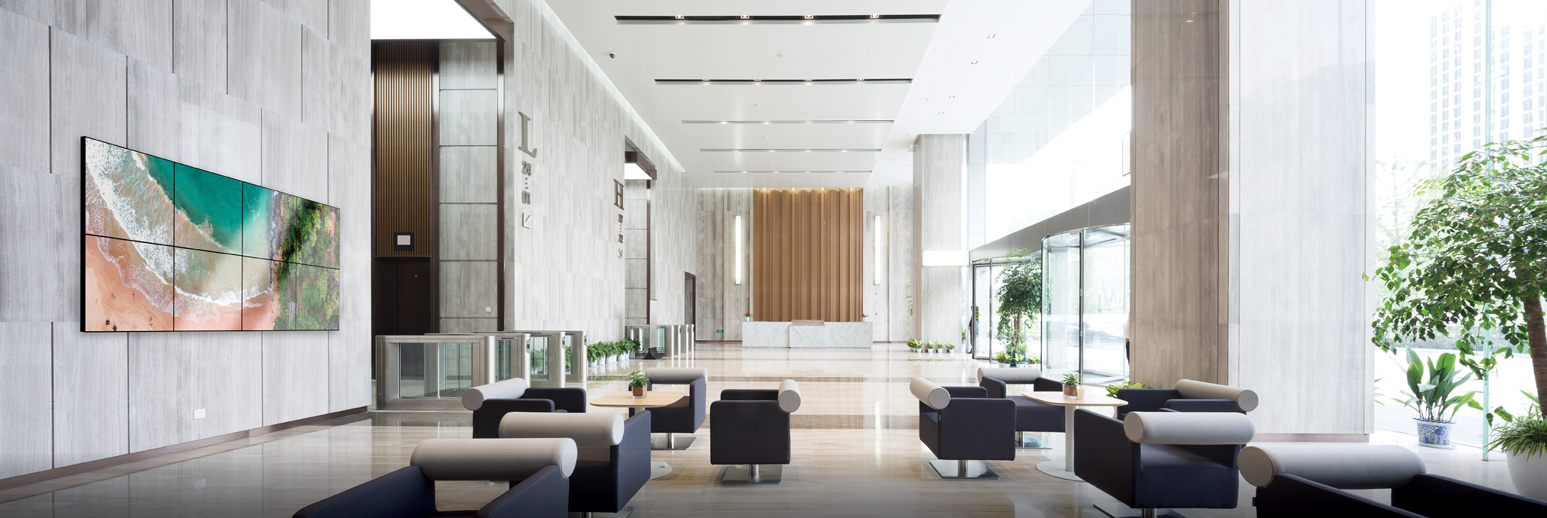
Displays are a crucial aspect of what an AV room is, because they provide the visual element for presentations, video conferencing, and entertainment. The visual needs of different rooms are dictated by the specific purpose of the space.
This means that there are various display options to choose from, such as projectors, monitors, and LED walls. The choice of display depends on factors like room size, ambient lighting, and desired image quality. For instance, projectors are best suited for larger rooms, while monitors and LED walls are ideal for smaller spaces or environments with high ambient light.
Cameras
Cameras are some of the most important AV components because they are essential for video conferencing and recording purposes.
High-quality cameras can capture clear and sharp images, ensuring that remote participants can see the presenter and any visual aids clearly. When selecting a camera, consider factors such as resolution, frame rate, field of view, and low-light performance.
Additionally, consider the camera's mounting and positioning options to ensure that it captures the desired area effectively.
Video Switchers and Scalers
Video switchers and scalers are responsible for managing and processing video signals within an AV room. What is the difference between switchers and scalers, though?
Switchers allow users to select and route video sources to various displays, while scalers ensure that the video is displayed at the correct resolution and aspect ratio.
These AV components are critical for seamless transitions between video sources and maintaining high-quality visuals. When selecting a video switcher and scaler, consider the number of inputs and outputs, signal compatibility, and processing capabilities.
Control and Automation Systems
Centralized Control Systems
These systems are what bring the room together. A centralized control system is an essential part of what an AV room system is. This is because it allows seamless management of all the devices and components within the space. This system typically includes a control processor and user interfaces such as touch panels, keypads, and mobile apps.
Centralized control systems provide a consistent user experience, enabling the integration and operation of various devices such as audio components, video components, lighting, and climate control.
Room Scheduling and Booking Solutions
Once you know what an AV room is, you can use this knowledge to optimize room usage and minimize conflicts by implementing room scheduling and booking solutions.
These solutions can be integrated with the control system and calendar applications, allowing users to reserve rooms and access real-time availability information.
Advanced solutions can also offer features like room occupancy sensors, automatic check-in/check-out, and usage analytics.
Remote Monitoring and Management
Incorporating remote monitoring and management tools into an AV room system is what enables system administrators to maintain and troubleshoot AV components remotely.
These tools can provide real-time system status, notifications on device failures or maintenance needs, and remote access for updates and configurations.
By proactively monitoring and managing the system, potential issues can be resolved before they escalate, ensuring optimal performance and reducing downtime.
Automation and Customization
Automation capabilities can significantly enhance the user experience within an audio visual room system, meaning that by creating pre-programmed scenes and settings, users can execute multiple tasks with a single command, such as adjusting lighting, lowering projector screens, and setting audio levels. That is what a well-designed AV room makes possible. Customization options also allow for personalized user experiences, with tailored interfaces and control options that cater to the specific needs of different users.
Getting Started with the Right Components
An effective AV room system is a harmonious integration of audio, video, and control and automation components.
By carefully selecting and integrating each component, you can create a seamless and user-friendly environment that enhances communication, collaboration, and productivity.
Prioritize centralized control systems, room scheduling and booking solutions, remote monitoring and management tools, and automation and customization features to ensure your AV room system meets the needs of all users and provides a consistently high-quality experience. Still have questions on what an AV room is? Profound Technologies can help.
Schedule a meeting now to speak with an expert on Microsoft Teams or Zoom!
Frequently Asked Questions
What should be considered before choosing AV components?
Consider the room size, seating layout, meeting style, number of users, display visibility, background noise, lighting, camera angles, and the platforms the team uses the most. A small huddle room, a boardroom, a training room, and an auditorium all need different AV room designs because people interact with the space differently.
Can our existing network bandwidth handle multiple concurrent video conferencing rooms?
A single, high-definition 1080p video call typically requires between 2 Mbps and 4 Mbps of symmetrical upstream and downstream bandwidth. A solitary huddle room might not stress an office network, but deploying five to ten concurrent rooms can easily throttle performance if your network isn’t optimized with QoS tags.
What is the difference between an AV room and a regular conference room?
A regular conference room may only provide seating, a display, and basic connectivity. On the other hand, an AV room is designed around the full meeting experience. That includes how people hear, speak, appear on camera, share content, control the room, reserve the space, and connect with remote participants. There is a significantly noticeable difference.